Do Deaf People Drive? Understanding the Rules and Realities
When people hear the word “deaf,” many assume that it comes with limitations, especially when it comes to tasks like driving. However, this assumption couldn’t be further from the truth. Deaf people absolutely can—and do—drive safely and legally across the UK and around the world.
Let’s explore how deaf individuals are able to drive, what adaptations are available, and how the process works, especially for learners in areas like Blackburn and surrounding Lancashire.
Is It Legal for Deaf People to Drive in the UK?
Yes, deaf people are legally allowed to drive in the UK. The Driver and Vehicle Licensing Agency (DVLA) does not consider hearing loss alone to be a disqualifying condition. As long as a person meets the standard visual requirements and passes both the theory and practical driving tests, they are eligible to hold a full driving licence.
In fact, many deaf drivers pass their tests with flying colours, often demonstrating a higher level of visual awareness and concentration than hearing drivers.
How Do Deaf People Learn to Drive?
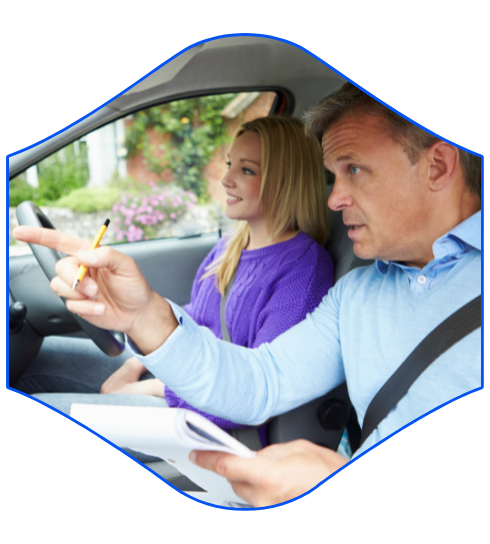
Deaf learners usually take lessons with instructors who are trained to work with individuals who have hearing impairments. Some instructors are fluent in British Sign Language (BSL), while others use visual aids, hand signals, or written instructions to communicate.
Driving schools may also offer specialised courses or adapt existing lesson plans to suit the learner’s needs. Mirrors, visual signals, and increased focus on road awareness help deaf drivers navigate safely.
If you’re looking to get started with a driving test, you can explore driving test booking Blackburn to schedule your assessment with a school that understands your unique needs.
What Modifications Are Available for Deaf Drivers?
Deaf drivers often use visual or vibrating alerts to substitute for sound-based warnings. These include:
Visual display devices: To show emergency vehicle lights or alarms
Vibrating alert systems: For signals such as a siren, seatbelt reminder, or car alarms
Extra mirrors or panoramic mirrors: For a wider view of surroundings
Hands-free communication tools: For safer in-car instruction and navigation
Driving instructors can help learners identify what modifications may be useful and how to use them effectively during lessons and everyday driving.
What About the Theory and Practical Driving Tests?
The theory test is accessible for deaf learners. Audio can be replaced with subtitles or a British Sign Language interpreter can be provided at the test centre.
For the practical test, deaf candidates can request an interpreter to ride along during the test and interpret instructions from the examiner. Alternatively, instructions can be given in written or signed form.
Booking through a local provider who understands these needs is crucial. If you’re in the North West, services offering driving test booking Blackburn can ensure you’re matched with the right support from the beginning.
Benefits of Driving for the Deaf Community
Driving is often a huge step towards independence, especially for deaf individuals who may rely heavily on public transport or friends and family for travel. Having the ability to drive:
Increases freedom and job opportunities
Reduces dependence on others
Allows more flexibility with time and travel
Boosts confidence and inclusion
It’s not just about getting from A to B—it’s about breaking down barriers.
Choosing the Right Driving School in Blackburn
If you or someone you know is deaf or hard of hearing and wants to learn to drive, choosing the right instructor makes all the difference. Look for driving schools that:
Have experience with deaf learners
Offer interpreters or BSL-fluent instructors
Understand how to adapt lessons to individual needs
Provide access to driving test booking in Blackburn or nearby locations
Local schools with inclusive services can help deaf drivers feel comfortable, confident, and fully supported on their driving journey.
Final Thoughts
So, do deaf people drive? Absolutely. With the right instruction, tools, and support, deaf individuals can become safe, skilled, and independent drivers just like anyone else.
Whether you’re a first-time learner or someone returning to driving, the key is finding a driving school that listens to your needs—even if you don’t use sound to communicate.
For expert help in booking your test and getting started, visit the trusted service for driving test booking Blackburn today.