How to Drive a Manual Car
Learning how to drive a manual car can seem challenging at first, especially if you’re used to automatic vehicles. However, once you understand the basics and get some practice, it becomes second nature. Driving a manual gives you more control over the car and is often preferred by drivers who enjoy the traditional driving experience. This guide will take you through the essential steps to driving a manual car safely and confidently.
Understanding the Manual Gearbox
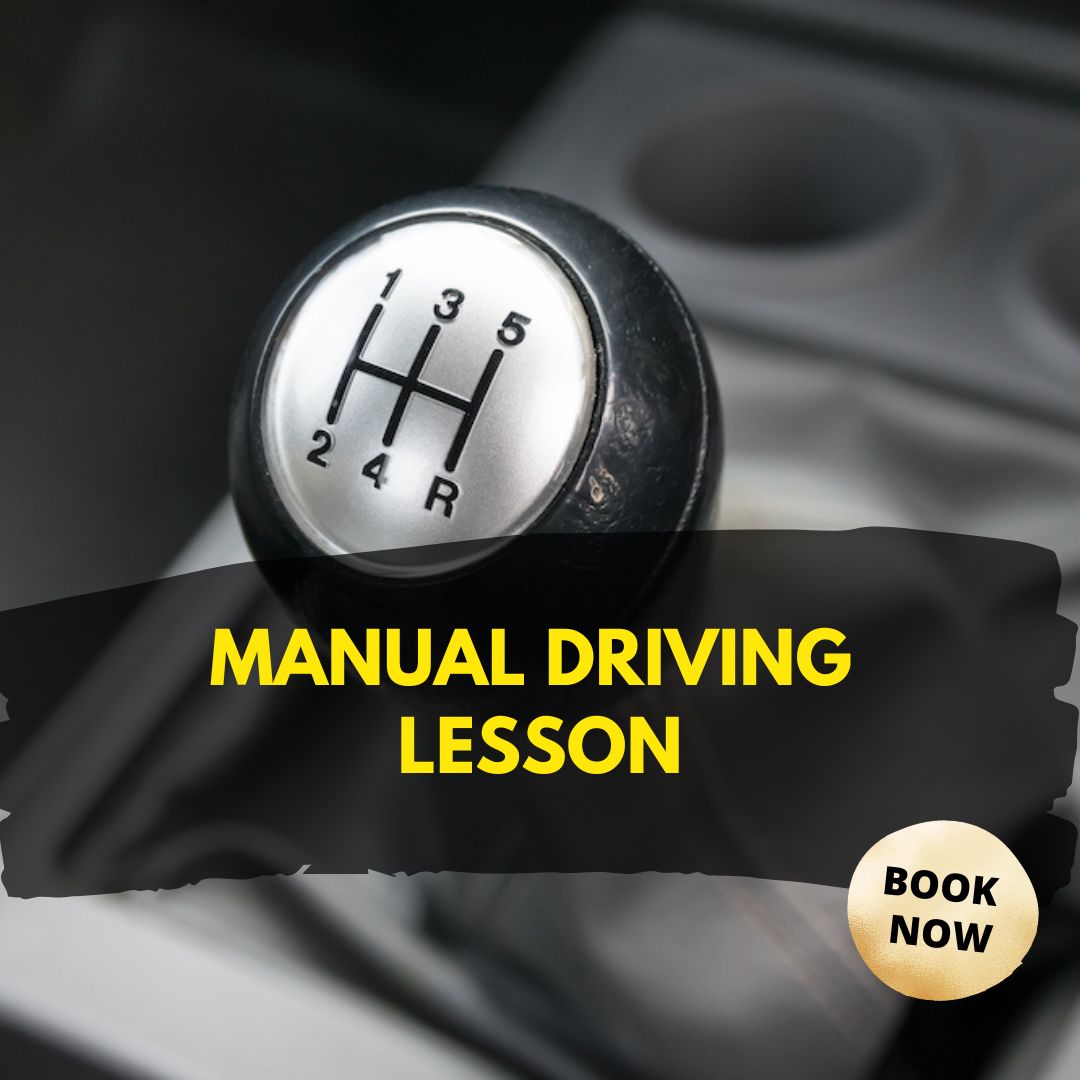
Manual cars use a gear stick and a clutch pedal, which allows you to shift between gears manually. Unlike an automatic vehicle that changes gears for you, a manual car requires coordination between your hands and feet. Most manual cars have five or six forward gears, one reverse gear, and neutral.
The key components you’ll use while driving a manual car are:
Clutch pedal (far left)
Brake pedal (middle)
Accelerator pedal (far right)
Gear stick
Handbrake
Starting the Car
Push the clutch pedal all the way down with your left foot.
Turn the ignition key or press the start button to start the engine.
Make sure the gear stick is in neutral before releasing the handbrake.
Slowly release the clutch while gently pressing the accelerator.
It may take a few tries to get the balance right. If you release the clutch too quickly, the engine may stall.
Moving Off and Changing Gears
To move off:
Keep the clutch pressed.
Shift the gear stick into first gear.
Slowly release the clutch while gently pressing the accelerator.
You’ll feel the “biting point”—the moment the engine begins to engage with the wheels. That’s your cue to release the handbrake and move forward smoothly.
As you speed up:
Listen to the engine. When it revs too high, it’s time to shift up a gear.
Press the clutch down, move the gear stick into second gear, and release the clutch gently while accelerating.
Repeat this process as you progress through third, fourth, and higher gears depending on your speed and road conditions.
Slowing Down and Stopping
To slow down:
Take your foot off the accelerator.
Press the brake gently.
If your speed drops significantly, press the clutch and downshift to a lower gear.
To stop:
Press the clutch and brake pedals fully.
Shift to neutral and apply the handbrake.
Avoid braking without using the clutch, as it can cause the engine to stall, especially at low speeds.
Reversing a Manual Car
To reverse:
Press the clutch and shift into reverse gear.
Check your surroundings and mirrors.
Slowly release the clutch and gently press the accelerator.
Manual cars tend to move quickly in reverse, so go slow and controlled.
Tips for Beginners
Practice on quiet roads: Find a calm residential area or an empty car park to get started.
Don’t ride the clutch: Resting your foot on the clutch while driving wears it out quickly.
Use the handbrake on hills: This prevents rolling backward when moving off.
Be patient: Mastering the manual takes time—don’t rush the learning process.
Manual vs Automatic Driving
If you’re unsure whether manual driving is right for you, you might want to explore the differences by checking this helpful guide on how to drive an automatic car. Some learners find automatics easier, while others enjoy the control and engagement that comes with manuals.
Why Learn Manual in the UK?
In the UK, passing your test in a manual car allows you to drive both manual and automatic vehicles. However, if you pass in an automatic, you’re restricted to automatics only. Learning manual gives you more flexibility, especially when hiring or buying cars abroad.
Final Thoughts
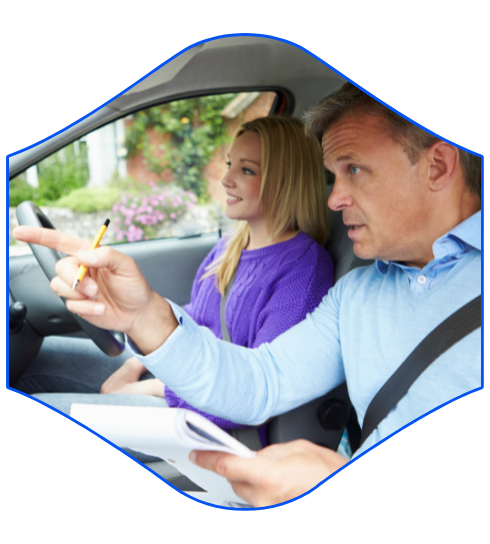
Learning how to drive a manual car can open up new driving opportunities and give you a greater sense of control behind the wheel. With patience and consistent practice, you’ll build confidence and become a skilled manual driver. Whether you’re a complete beginner or switching from automatic, local driving instructors in your area can help you master the manual gearbox at your own pace.