A Complete Beginner’s Guide
Learning how to drive an automatic car is a smooth and stress-free process compared to learning in a manual vehicle. For many new learners or nervous drivers, automatic transmission offers a simpler, more enjoyable driving experience. Whether you’re preparing for your driving test or just want to refresh your skills, this guide will walk you through everything you need to know to get started confidently.
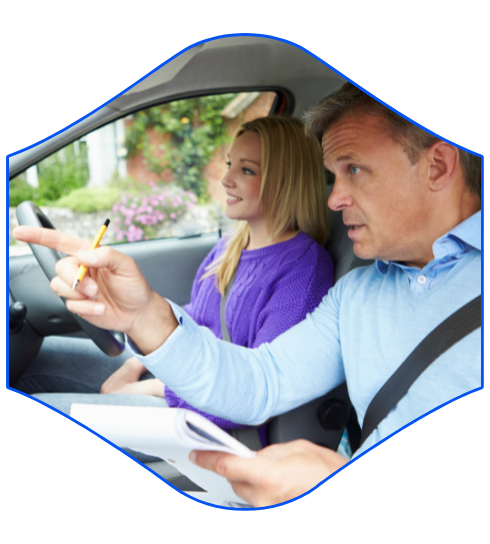
If you’re searching for expert help, consider a private driving instructor near me who specialises in automatic cars to speed up your learning journey.
What Is an Automatic Car?
An automatic car is a vehicle that shifts gears on its own without the need for a clutch pedal. Unlike manual cars, which require constant gear changes, automatics allow you to focus more on the road and less on gear selection. The transmission system decides the correct gear based on your speed and acceleration, making driving simpler, especially in busy urban areas.
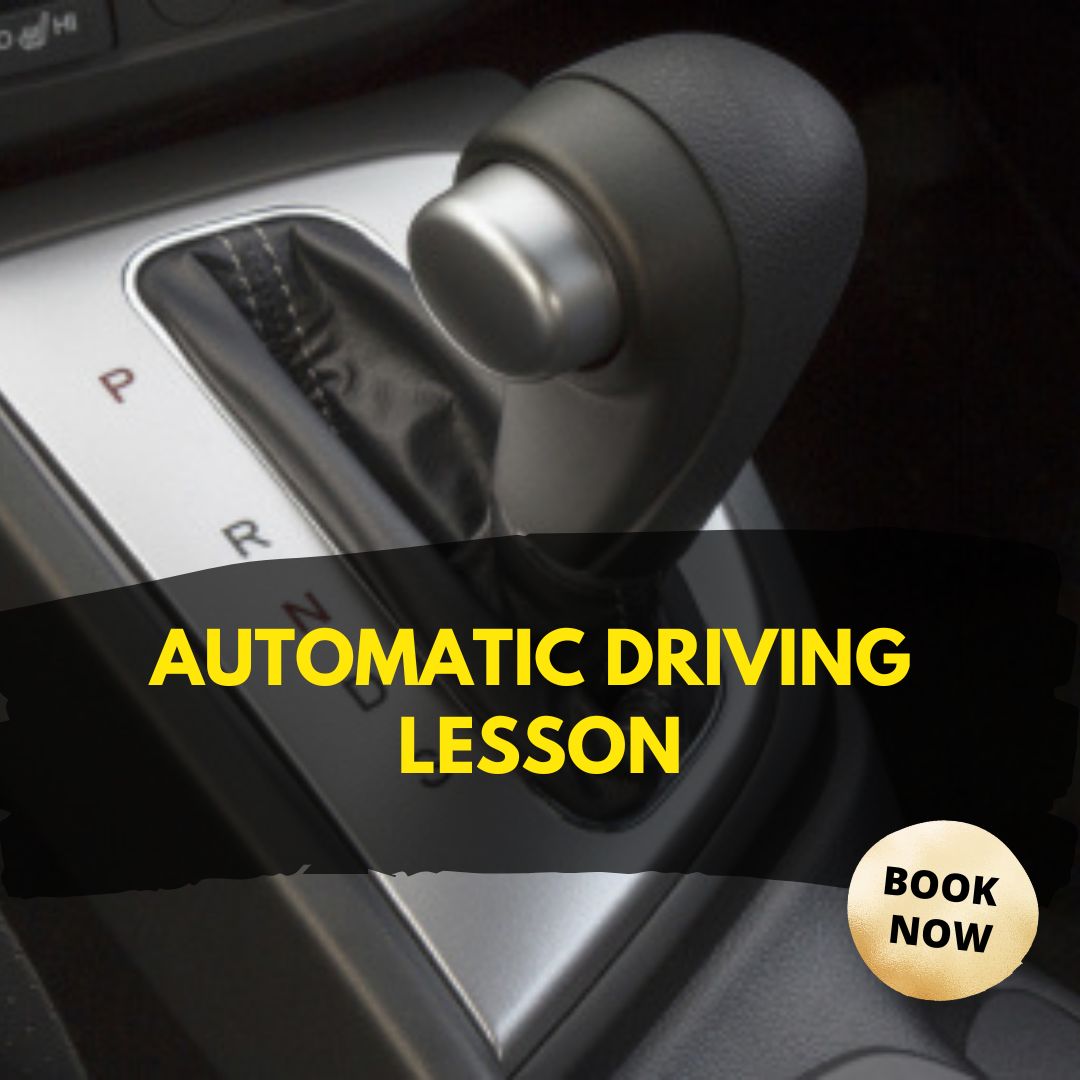
Understanding the Gear Selector
Before starting the engine, it’s important to familiarise yourself with the gear selector. Most automatic cars use the following gear options:
P (Park): Locks the transmission; use when the car is stationary and turned off.
R (Reverse): For moving backward.
N (Neutral): Disengages the engine; rarely used but handy in traffic or car washes.
D (Drive): This is your go-to gear for normal driving.
L (Low) or S (Sport): Offers more control when driving downhill or uphill.
Always press the brake pedal before switching gears.
Starting the Car
Make sure the gear lever is in “P” (Park).
Press the brake pedal firmly.
Start the engine.
Once the engine is running, move the gear to “D” (Drive) if you’re going forward, or “R” (Reverse) if backing up.
Release the handbrake or parking brake.
Once ready, gently lift your foot off the brake. The car will start moving slowly—this is known as “creeping.” You can accelerate smoothly when it’s safe to do so.
Accelerating and Braking
In automatic cars, you only use your right foot for both the accelerator and brake pedals. Never use your left foot, as this can lead to sudden or unbalanced movements.
To accelerate, press the gas pedal gently.
To slow down or stop, press the brake pedal gradually.
Smooth movements are key to comfortable driving, especially for passengers.
Tips for Driving an Automatic Car Safely
Keep your foot on the brake when starting to avoid rolling.
Use mirrors regularly and stay alert to your surroundings.
Avoid coasting in Neutral, especially on downhill roads—it reduces control and is unsafe.
Practice parking in quiet areas to get used to automatic creep and stopping distances.
Avoid resting your hand on the gear lever, as it’s unnecessary and a potential distraction.
Common Mistakes to Avoid
Using two feet: This is a common beginner mistake. Always use only your right foot.
Shifting gears while moving: Always stop completely before switching between P, R, or D.
Not using the handbrake on slopes: Use it to prevent your car from rolling.
Benefits of Learning in an Automatic Car
Driving an automatic car is ideal for:
Nervous or anxious learners
Busy city driving with frequent stops
Those with mobility issues
Drivers who want a quicker route to passing their test
Learning in an automatic often requires fewer lessons, saving time and money in the long run.
If you’re based locally and looking for an expert, consider booking a private driving instructor near me to get personalised, hands-on training in your area.
Final Thoughts
Mastering how to drive an automatic car is a valuable skill that opens the door to freedom and independence. With fewer distractions and a more intuitive driving experience, it’s no surprise that more learners are choosing automatic lessons.
Whether you’re just starting or returning to driving after a break, finding the right local instructor can make all the difference. Start your journey with confidence and take the first step towards becoming a safe, skilled driver today.